
Idaherma Blog
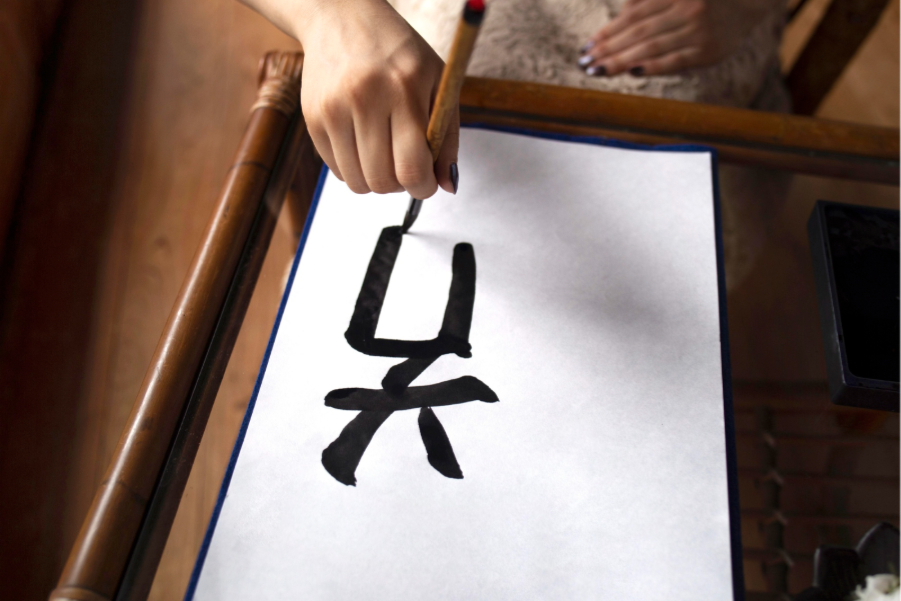
woodblock printing
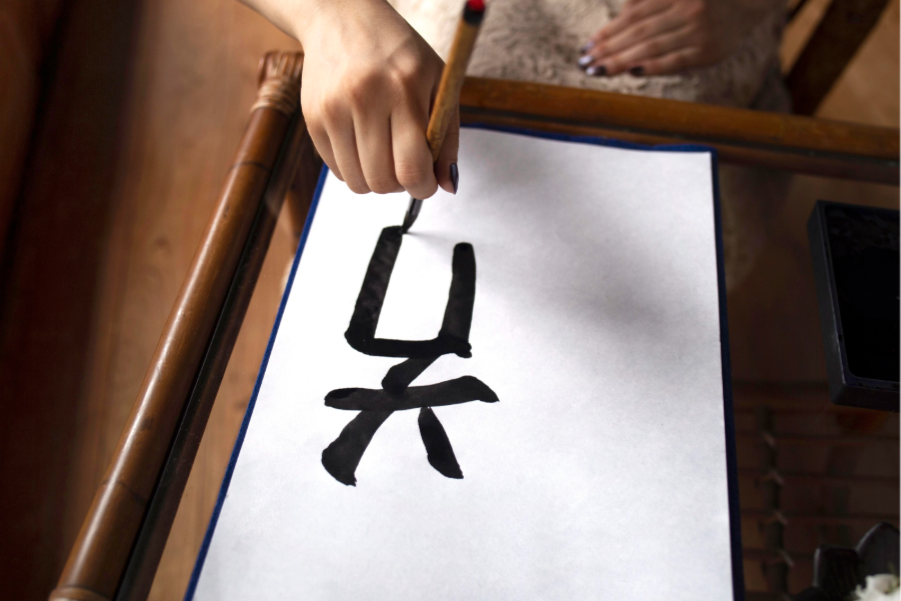
Key Takeaways :
- Woodblock printing is one of the oldest types of relief printing that involves using raised parts of a woodblock with ink for printing directly onto paper.
- During the Edo period, Japanese Ukiyo-e artists perfected the technique and made it a multiblock coloring procedure, which was used to print scenes of everyday life, landscapes, and theatre.
- This technique of woodblock printing entails cutting out everything from the woodblock except the design, inking it, and pressing the raised area.
- Today, contemporary artists continue to manually carve and print their woodblocks, which shows how little this technique has evolved since its early days.
- It can be done at home with patience and proper equipment.
When observing famous works of Hokusai’s art, such as The Great Wave, or even modern woodblock prints, one can be shocked to find out that the whole picture is created from carved surfaces, not from painted brush drawings on the paper.
However, for a beginner, it might be quite challenging to figure out how these carved parts are used to create the final image. The knowledge of every step in the process will help one to see that each of the steps in the process has its own importance in producing the image. Although the technique has changed a little bit since the times of ukiyo-e, the core principle of transferring the image is still the same.
In this guide, we will explain woodblock printing in an easy way, learn about its evolution from classic ukiyo-e style to modern art, and understand the process step-by-step. Read on to learn how a woodblock can be turned into an art form through different stages of printing.
Table of Contents :
- What Is Woodblock Printing?
- The History of Japanese Woodblock Prints
- How Does Woodblock Printing Work?
- Traditional vs. Contemporary Woodblock Printing
- Can Woodblock Printing Be Done at Home?
- Why Japanese Woodblock Prints Still Matter Today
- Woodcut's Lasting Legacy
- FAQs
1) What Is Woodblock Printing?
Woodcut printmaking, which is an alternative term for this process, falls into the relief printing category. In relief printing processes, as opposed to the Intaglio process in which the ink is applied to the carved spaces, carving is done on the background while leaving the design on the surface. For a closer insight into the application of relief printing, Woodblock Print demonstrates the approach taken by a modern artist to a blank block.
Ink is applied only to the raised areas. Therefore, when the paper presses against the wood block, the ink is transferred to the untouched raised parts of the block, thus creating a graphic image.
2) The History of Japanese Woodblock Prints

Ukiyo-e Japanese woodblock prints became famous during the Edo period. It is a period between the 17th and 19th centuries. The artwork was done by artists like Hokusai and Hiroshige, depicting “pictures of the floating world” consisting of landscapes, Kabuki performers, and scenes from everyday life to be appreciated by the newly rising merchant class.
The unique feature of these prints was the multicolor printing technique they employed. They made use of various blocks to print different colors in a certain order to produce the whole picture. In a scientific study done in 2022, through multiband imaging and spectroscopy, it has been revealed that these prints were printed using a very detailed process.
3) How Does Woodblock Printing Work?
Then how does woodblock printing work from beginning to end? The whole procedure has a systematic approach no matter where it is done, from 18th-century Japan to today. Here are the steps:
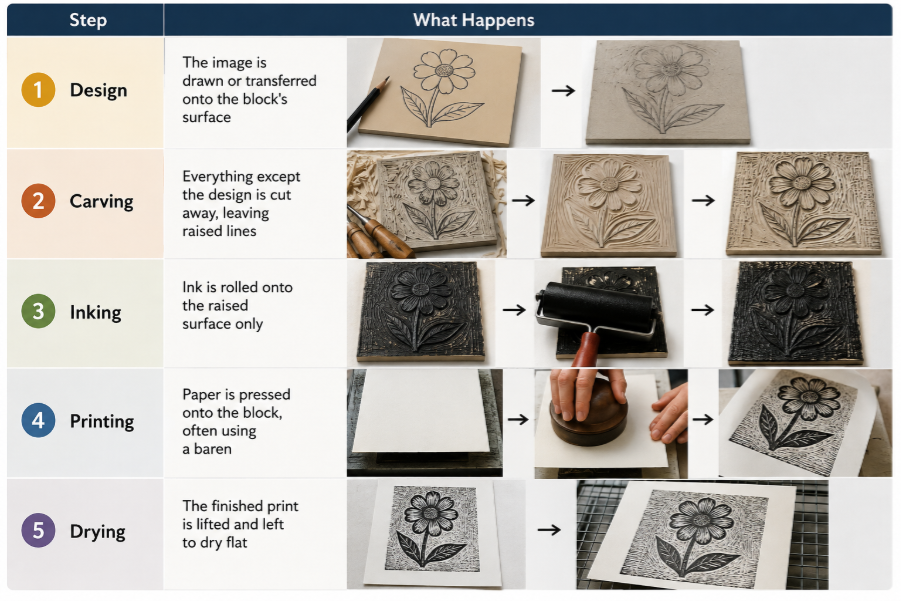
In traditional Japanese printmaking, the artists use a tool called the baren, which is like a hand-held round pad used to rub the reverse side of the paper in order to distribute the ink evenly without using a machine.
4) Traditional vs. Contemporary Woodblock Printing :There was division of labor in the creation of this type of artwork in the past, whereby there was a designer to design the artwork, a carver to carve it, and a printer to print it. Modern artists usually undertake all activities of making the art on their own. This does not imply that there is no value put on the artwork anymore. From a study carried out in 2024 on the significance of this type of artwork in the modern world, it is evident that the interest that collectors, the fashion world, and illustrators have placed on this artwork has made it extremely significant in the modern world.
5) Can Woodblock Printing Be Done at Home?

Can woodblock printing be done at home? Yes, and it is one of the reasons why this type of printing technique has survived. The only thing you will need for that is a carving block, engraving knives, water- or oil-based ink, a roller, and a pressing tool; even a wooden spoon would be okay.
The first step for any beginner is to practice single-colored prints before moving to the complicated multiblock registrations like the Japanese Ukiyo-e printmakers used. It requires patience because the carved-away wood can't be brought back.
6) Why Japanese Woodblock Prints Still Matter Today :
Not only did the Japanese woodblocks serve as a chronicle of their era; they influenced the movements that came after them by means of coloring, composition, and flattened perspective. The influence of the Japanese prints on impressionists started during the nineteenth century and continues to influence contemporary illustrators, tattoo artists, and graphic designers.
For people who are curious about how other methods of hand-cutting look, here is one of the burin engravers specializing in his technique, which shows how much discipline is necessary in direct incisions.
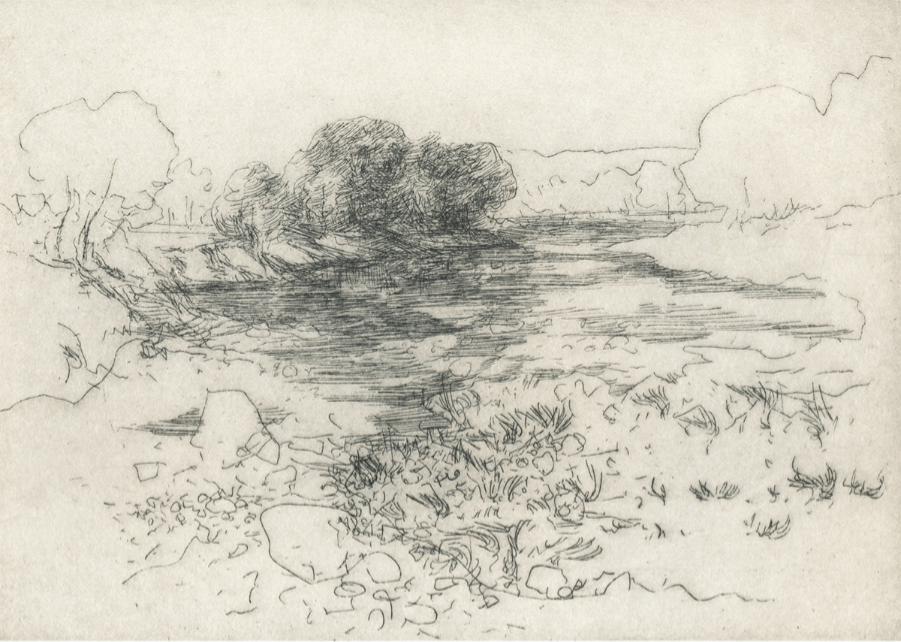
Furthermore, for people who want to know more about how other printing techniques have been used throughout history, the Collagraph Technique demonstrates how different layers influence each other, giving information on relief printing as opposed to intaglio printmaking techniques.
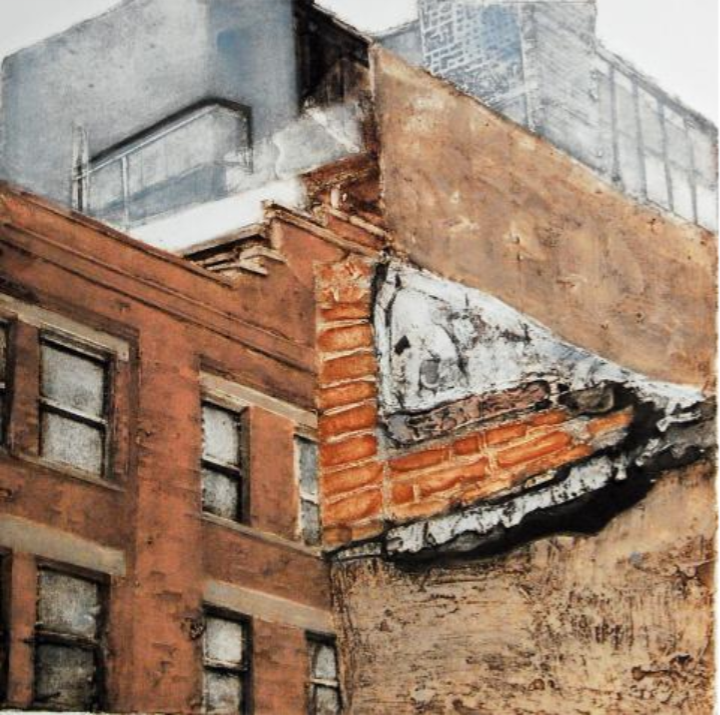
7) Woodcut's Lasting Legacy :
Woodcutting is an art form that will always thrive since its success depends on how much you put your heart into something and how much time you spend creating something that cannot be done using any other method of printing.
Whether working on one woodcut block alone at home or combining several at once like some Edo period artists, the essence stays the same.
Take a closer look at the process behind woodblock printing and see the artistry hidden within every carved line and printed layer.
8) FAQs :
- What is woodblock printing and how does it work?
- Woodblock printing is a relief technique in which the ink is contained in the raised areas of the woodblock and is printed on the paper when pressed.
- How are Japanese woodblock prints made?
- Japanese Ukiyo-e woodblock prints are made using several hand-carved blocks, with each block inked to make a particular color.
- How can I make my own woodblock print?
- The process involves removing the areas not wanted, inking the remaining areas, and then applying paper to these areas using a roller, spoon, or baren.
- Why are Japanese woodblock prints significant in the history of art?
- Japanese woodblock prints have had a lot of influence in shaping modern Western art movements like Impressionism and still influence illustration and design to date.
- What materials are required for making woodblock prints?
- The materials required for woodblock prints include a wood block, water-based ink, paper, and a baren.
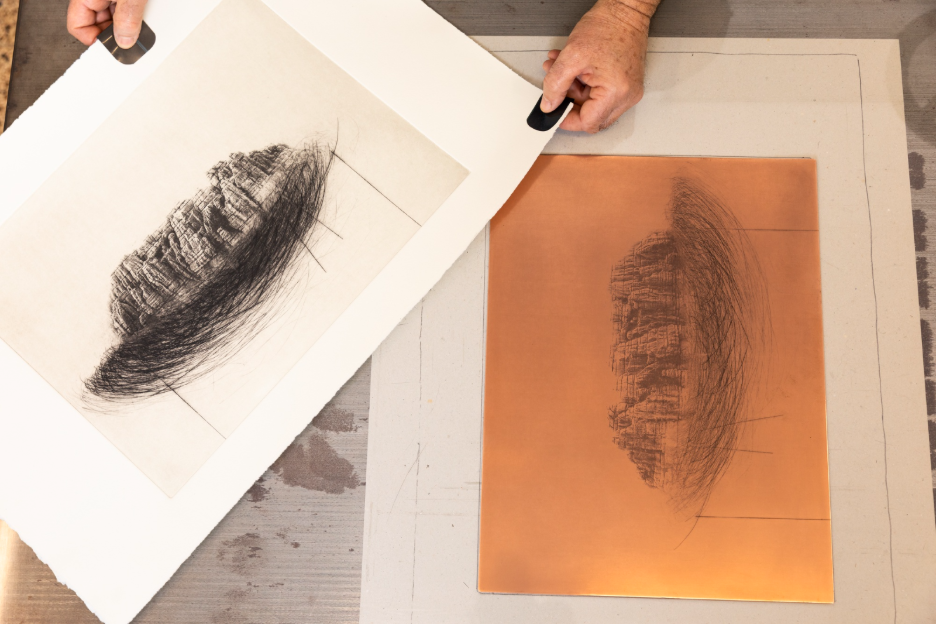
Mezzotint Vs. Etching Vs. Engraving: Intaglio Techniques Compared
Key Takeaways :
- Mezzotint, etching, and engraving are all intaglio printing methods, but each creates an image in a totally different way.
- Mezzotint begins with black ink and works its way down to white by using a rocker to create deep tones.
- The process of etching uses acid to etch lines on a plate, whereas engraving uses a pointed burin.
- Museums can identify such prints based on their lines, burr, and tonal range when viewed under magnification.
- The method one chooses will depend upon the type of image one wishes to create.
Looking at a classic print and trying to understand just how it was made is one of those experiences collectors and students share with many other curious art fans. It looks as if someone drew it by hand, but there is something photo-like about the shading, and all that the label says is "intaglio print".
This one-word description covers three different techniques, which have their own instruments, past, and unique characteristics.
So, recognizing them requires much more than just looking; one needs to know what to recognize.
Here we will describe Mezzotint vs etching and engraving so that when you employ these techniques, you are not in any confusion.
Table of Contents :
- What Is Engraving?
- What Is Etching?
- What Is Mezzotint Printmaking?
- Mezzotint vs Etching vs Engraving: Key Differences
- How Do Museums Distinguish Mezzotints From Engravings?
- Which Intaglio Technique Should You Choose?
- Three Techniques, One Craft
- FAQs
1) What Is Engraving?
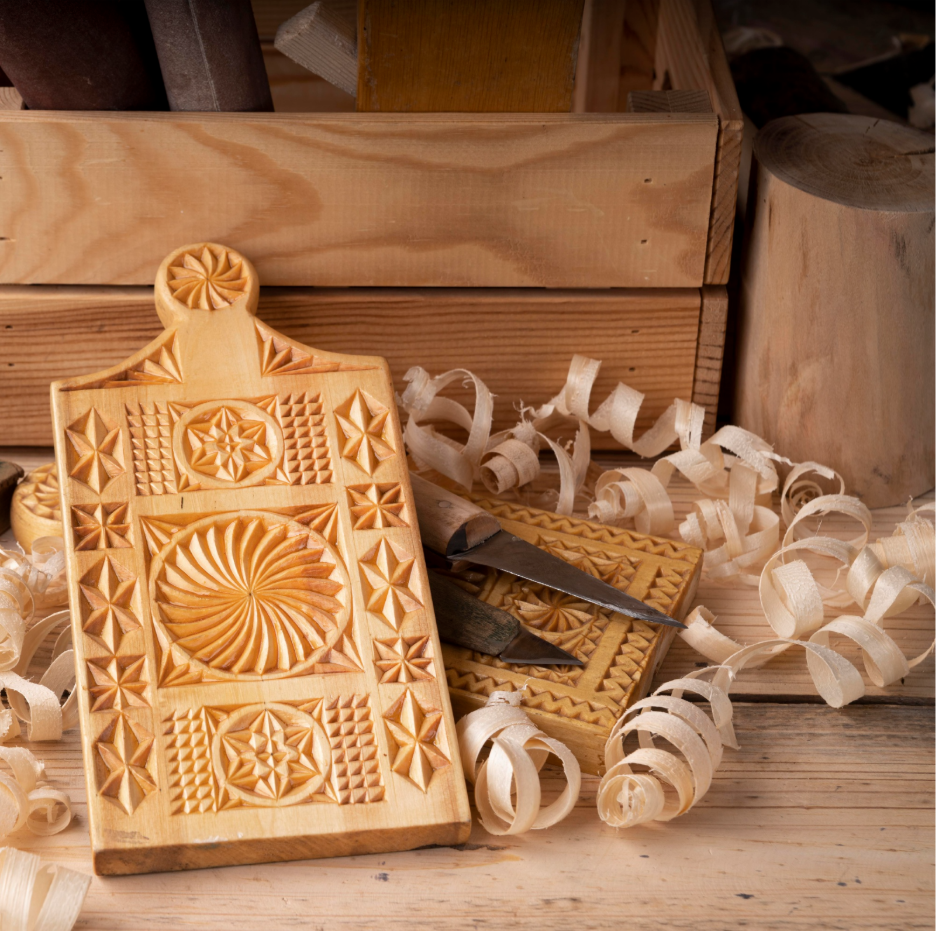
Engraving is the oldest intaglio printmaking technique of the three, having originated in the 15th century.
The process involves using an artist's sharp steel tool known as the burin and making cuts on a copper plate. The precision of each line is so high that any mistakes are avoided because all the lines are manually carved out.
To learn more about this technique, see how a mezzotint print came into being as a response to engraving.
2) What Is Etching?
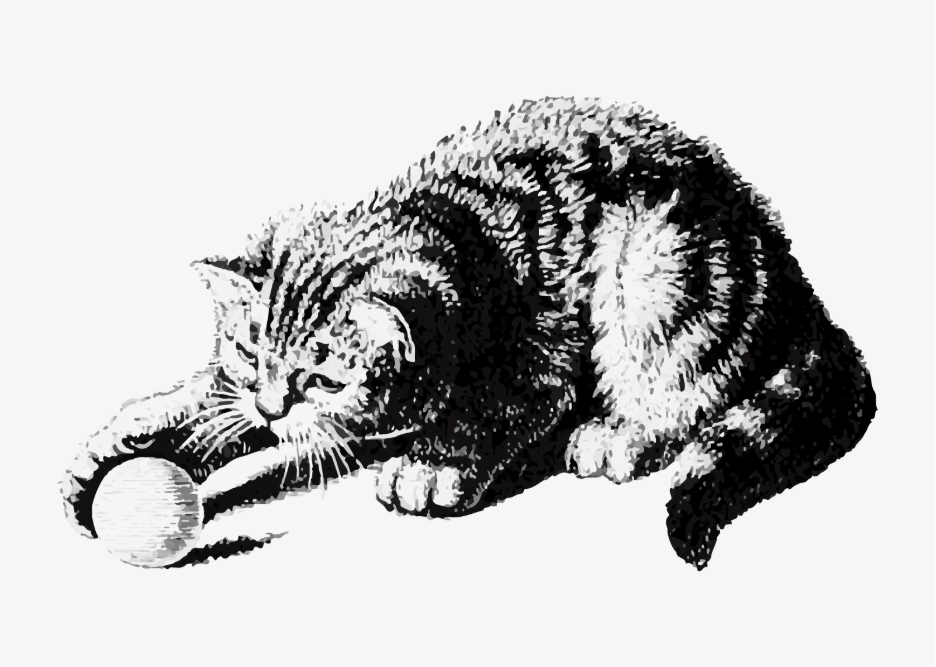
In etching, there is a change from muscle work to chemical work.
The plate is first covered with a layer of wax ground, which is scratched using a needle so as to reveal the metal underneath. The acid bites on the revealed areas depending on the duration that the plate stays immersed in the acid.
Compared to engraving, etching allows for a more relaxed technique because the needle moves more easily on the wax than the burin on the copper.
3) What Is Mezzotint Printmaking?
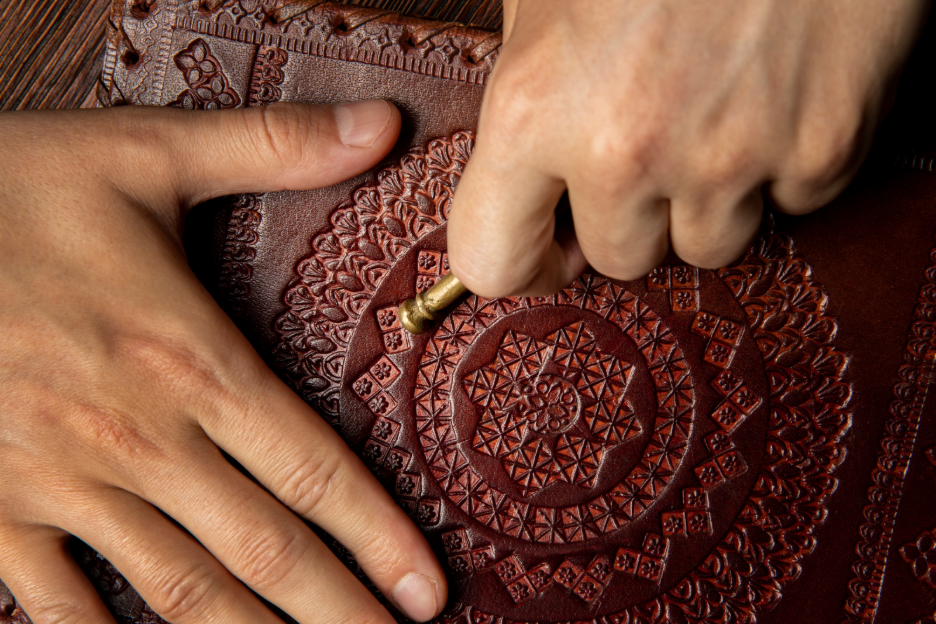
Mezzotint inverts the whole process.While the other techniques begin with an untouched plate and proceed with etching and biting, the mezzotint process begins with roughing up the whole plate with a rocker – a serrated curved blade. When printed at that stage, the plate produces a solid black. Next, the artist proceeds with a reverse technique – they scrape and burn away parts of the roughed plate to let light through.This is precisely the answer to the question- how are mezzotints made – an image is created out of darkness.This is the reason why mezzotints are so efficient in capturing smooth transitions and painting techniques, and why they were considered the best technique for portrait reproduction in the 17th and 18th centuries.
4) Mezzotint vs Etching vs Engraving: Key Differences :
Looking at the three together makes the difference easier to take in.
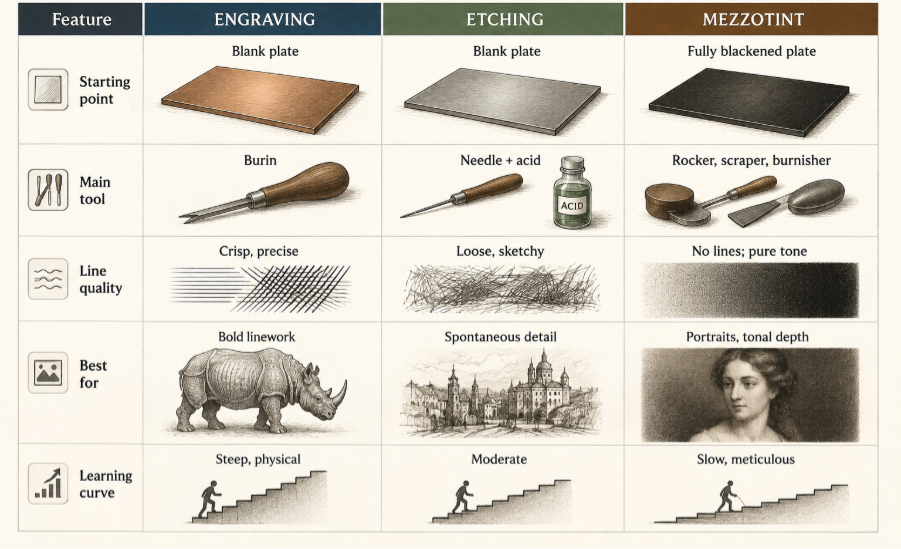
It’s clear from the table that the true division is between tone and line.In engraving and etching, the picture is formed by lines, but in Mezzotint, by tones of light. Even the restoration of older mezzotints is a delicate operation that requires a lot of insight by smart handlers. The analysis of the 19th-century Mezzotint with foxing that was conducted through enhanced washing and scanning XRF analysis in 2026 is an example of how advanced methods can be used to treat artworks without damaging paper prints.
5) How Do Museums Distinguish Mezzotints from Engravings?
It is a question that conservators keep asking, and that is: how do museums distinguish between mezzotints and engravings? This is through visual observation.Engravings have clean and continuous lines under magnification because each one of them was carved into a plate using only one line. Conversely, mezzotints have a granular and even velvety appearance with no lines whatsoever, but just a smooth transition from black to white. A 2023 identification guide for antique prints states that a smooth transition from light to dark, along with a softer appearance in general, serves as the most clear-cut sign that a certain piece is not an engraving or etching, but a mezzotint. Conservators shed more light on this matter.
6) Which Intaglio Technique Should You Choose?
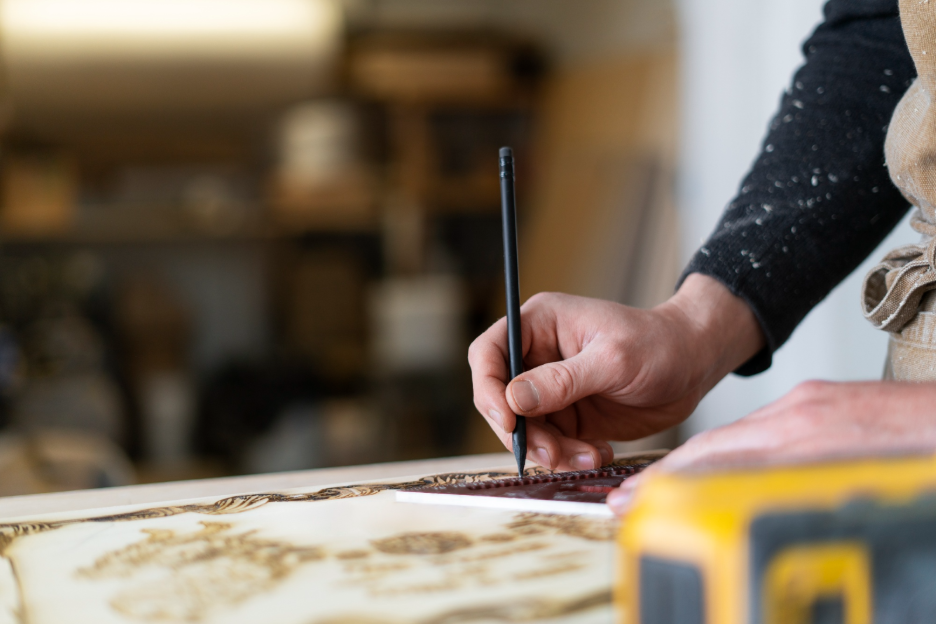
Those who prefer a more adventurous approach should try etching, which is fast thanks to acid doing the hard work. In contrast, engraving requires great precision and patience for creating a permanent line. For readers interested in other techniques, similar in tonal qualities and texture, there is the Collagraph Technique, which demonstrates how fabric and paper layers are inked in the same way as a metal plate. The embossed prints created by layered plates vary in quality every time the artist pulls the print.
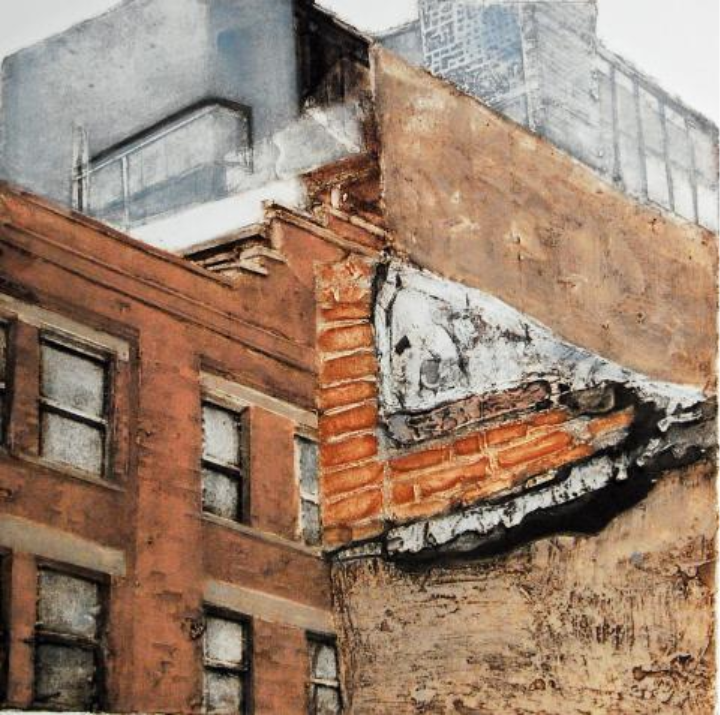
If you need more knowledge on Mezzotints or which Intaglio techniques one must hone their skills on, then the Invited Artists page is dedicated to the artists invited to demonstrate the printmaking process. This is where the mezzotintist and burin engraver reveal the secrets of their craft.
7) Three Techniques, One Craft :
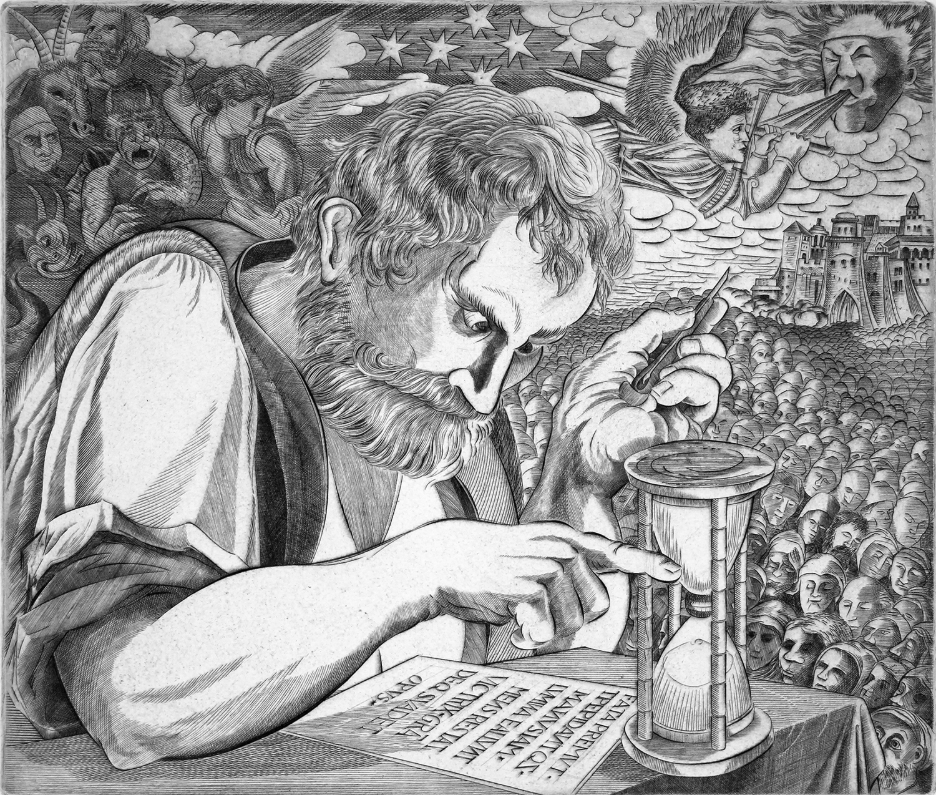
Mezzotint, etching, and engraving are three methods that work completely differently in solving the very same problem of transferring an image to paper. The method of engraving involves carving, etching means dissolving, and Mezzotint is about taking light away from darkness.
After learning what it takes to tell them apart, they cease to be a riddle and become a visual language. It would be impossible to create the best guide to intaglio printmaking without learning them.
If you are interested in learning more about the various printmaking techniques discussed in this blog, then we invite you to browse through our Mezzotint-based webpage and start reading more about the same.
8) FAQs :
What is the primary characteristic that sets Mezzotint apart from etching and engraving?
Engraving creates lines through cutting; etching uses acid to create lines; while Mezzotint uses texture removed from a blackened plate to create tone.
How are mezzotints created using a rocker?
The serrated edge of the rocker tool is moved across the plate to create an ink-holding burr.
What makes Mezzotint better at producing black tones than etching and engraving?
Because it starts with a black background, there is much more ink that can be held in the plate.
Which of the intaglio processes is best for portrait prints?
Mezzotint is the best process for portraits because of its ability to create tonal variations similar to painting.
Are mezzotint, etching, and engraving compatible processes?
These processes can all be used in conjunction on the same plate.
Second Annual Online Juried Exhibition
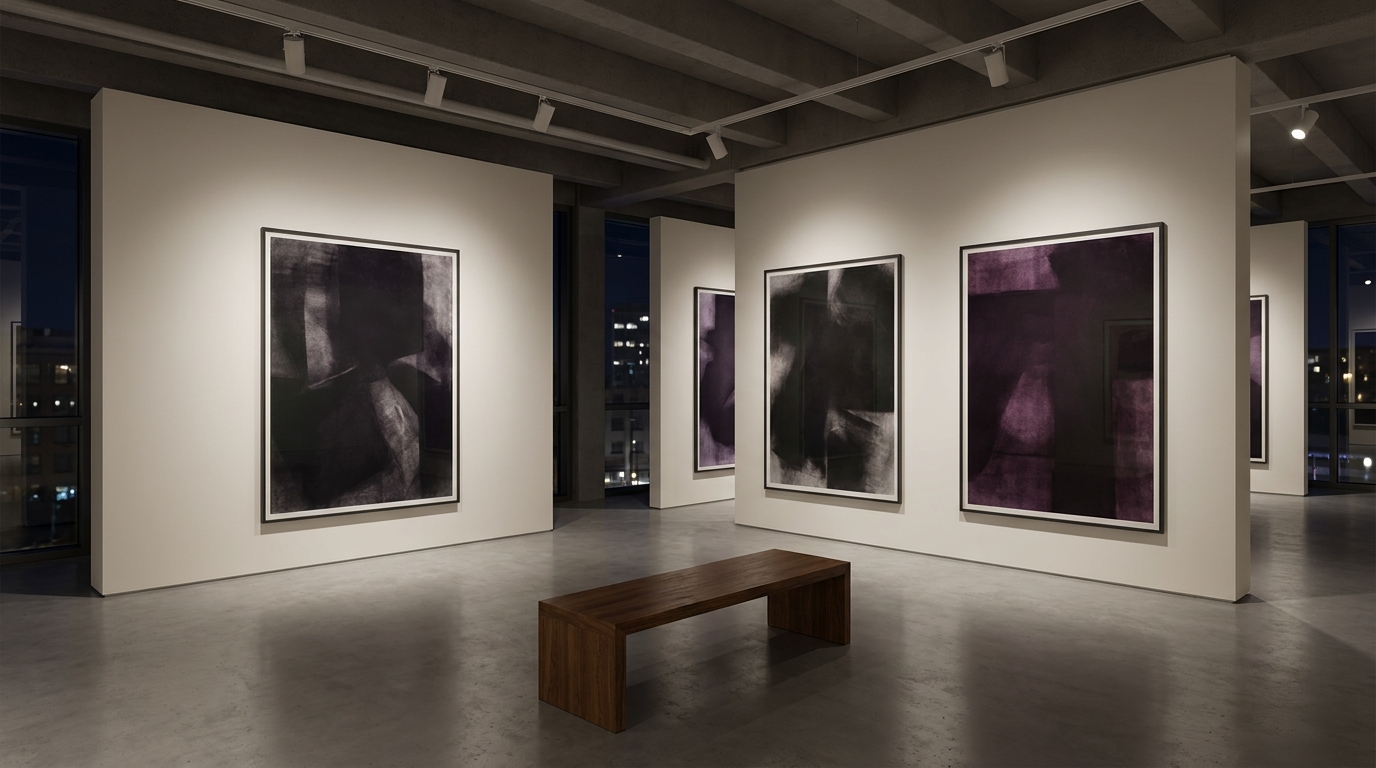
We are currently accepting entries for our second annual online juried exhibition. You can easily submit an entry by going to the Call for Entry website at: https://artist.callforentry.org/festivals_unique_info.php?ID=7099
July 2019
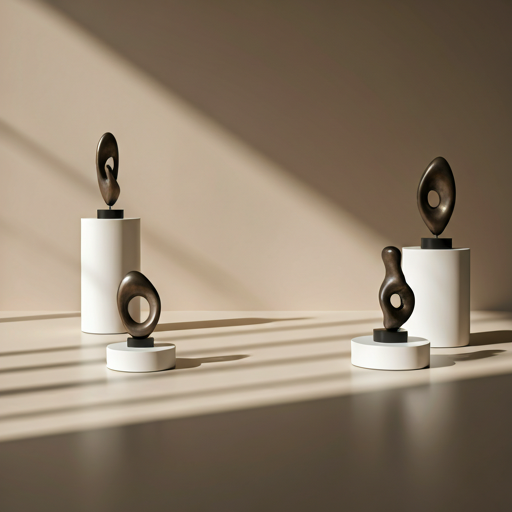
Last month the Idaherma Museum of Art Foundation, Inc. awarded two prizes in honor of David Latin Williams. One was at the Philadelphia Sketch Club Teen Arts Show. The second was at the Philadelphia Plastic Club in the Medals Show.
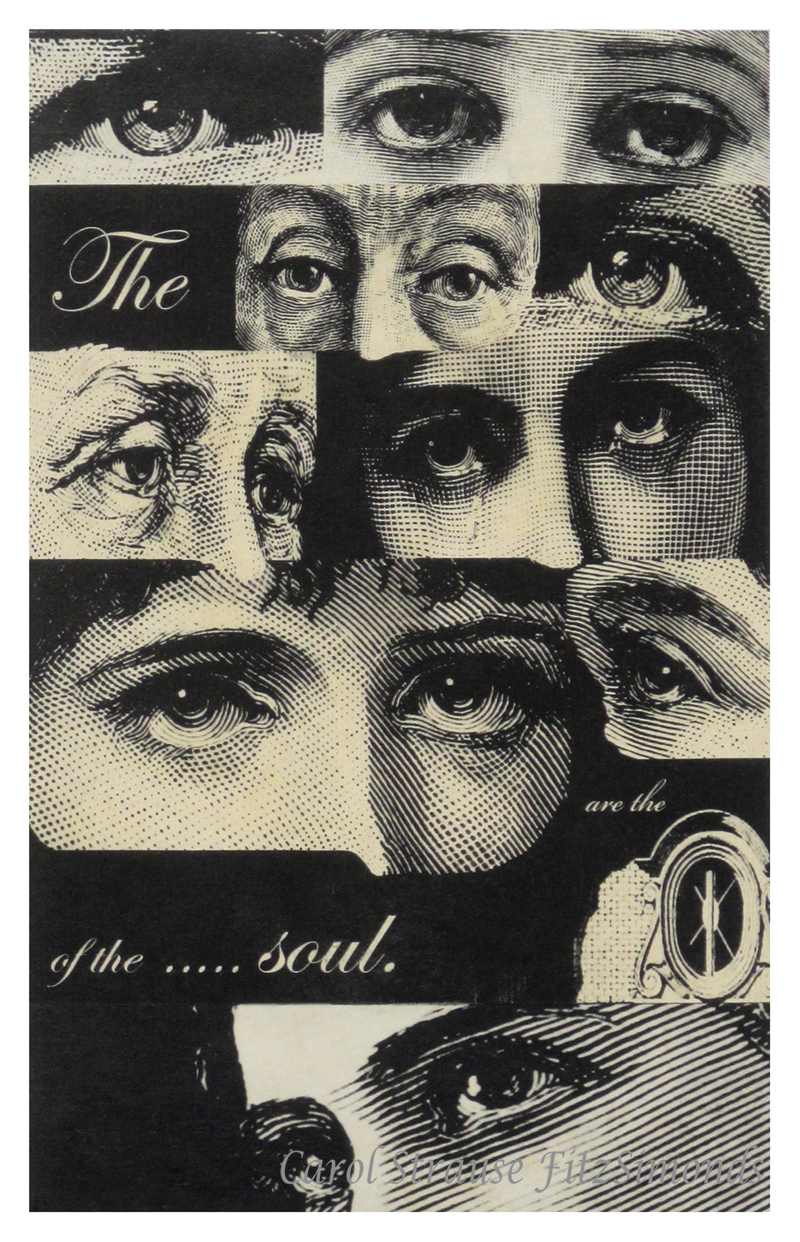
We also received a new CD of Artwork from one of our currently Invited Artists, Carol Fitz Simmons. The photo of her work in included here. If you would like to be featured on
The Ida, please submit your artwork to our upcoming juried show. The rules are here. and our brochure is available online.
March
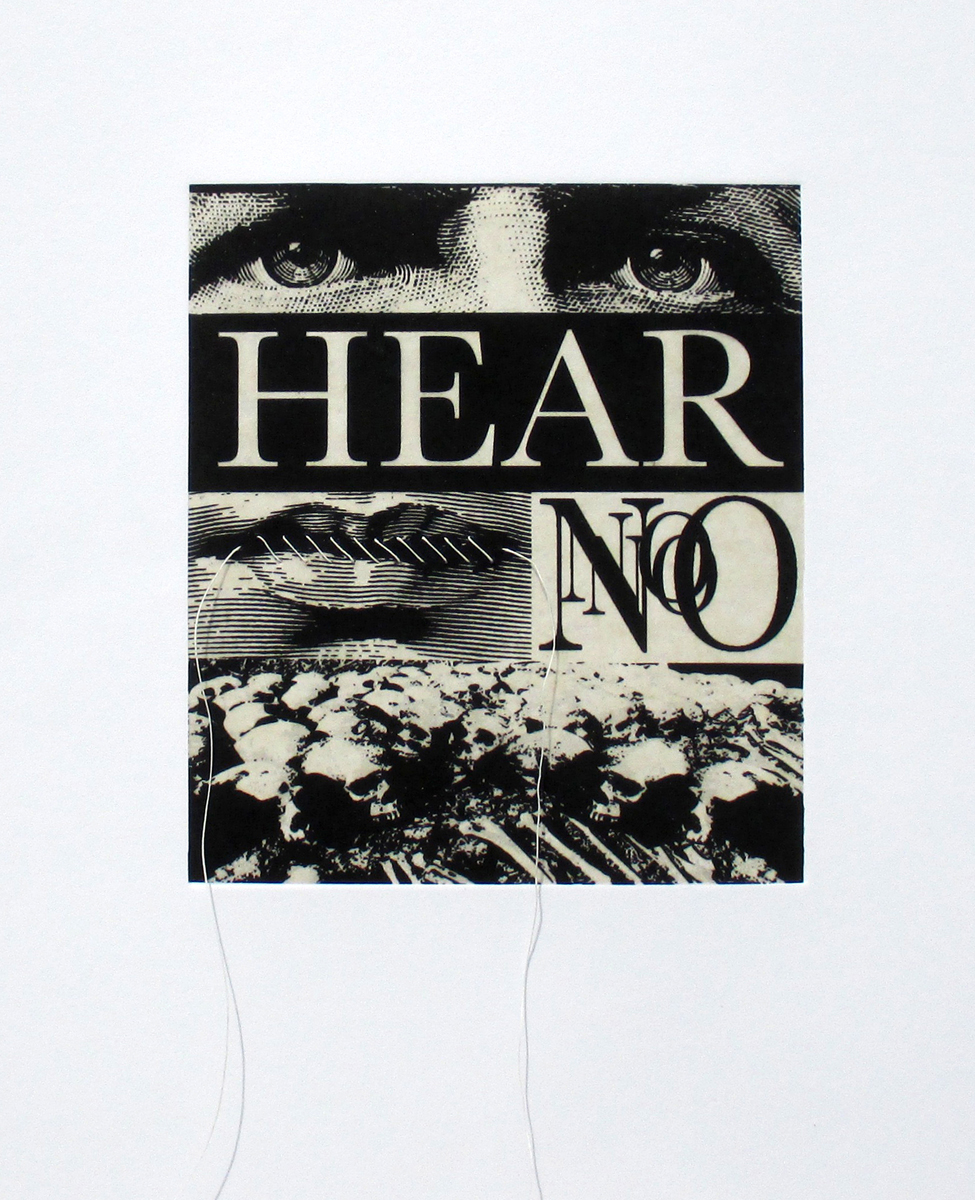
March with its blistery winds and snowy days bring new art to The Ida. It is refreshing and cooling and forecast of things to come. So look at the entries and see how March will end. with a fresh beginning. Mr. Pitt, Mr. Sostre and Ms. Tarentino all contribute with their new ideas in the beginning growth of The Ida. Let the winds roll and end in sun!
Welcoming our New Artists
The Idaherma Museum of Art Foundation, Inc. is dedicating to finding new artists. We have our mission statement yet sometimes artists respond to their own mission as is the case with our 1st prize winner, Mr. Adam Pitt. Is he a mirror of society? In looking at his work, we can only say "Yes!" The Ida will continue to search and find unique talent and we hope that our work will mirror the majestic beauty in our world, inside and outside. We are all one and though we follow different paths, all paths lead to new and different themes and artists will follow their own unique vision. We welcome our new artists.
February 2019
This past January ended the first online entries for our first exhibition and awards. We are honored to present to the first prize of $200 to Adam Pitt. His work is a reminder of the freshness and qualities that a new vision can bring to the world. This work shows a spark of originality and is just a beginning, for growth starts in that way. The second prize goes to Mario Sostre for his work in still life. The third prize goes to works on paper by Leigh Tarentino.
This begins the first exhibition. We will post the results more formally and notify the artists shortly.
Stay tuned for the next invitational show.